
Era una sera piovosa di fine ottobre a Firenze, e Sofia si trovava in una situazione difficile. Aveva appena finito un incontro di lavoro importante in centro e stava tornando verso casa a piedi, quando il suo telefono aveva iniziato a squillare insistentemente. Era la sua migliore amica, Laura, che la chiamava in lacrime perché aveva avuto un incidente d’auto sulla strada per l’aeroporto, dove doveva prendere un volo per una vacanza di lavoro molto importante. Laura era sconvolta e non sapeva come fare per raggiungere l’aeroporto in tempo.
Sofia non esitò e decise di andare immediatamente in aiuto dell’amica. Chiamò un Radio Taxi 24 per farsi venire a prendere e raggiungere Laura il più presto possibile. La centralinista del servizio di taxi rispose subito e, dopo aver ascoltato la richiesta di Sofia, le assicurò che un taxi sarebbe arrivato entro pochi minuti. Sofia aspettò sotto un portico vicino, controllando ansiosamente l’orologio. La pioggia continuava a cadere e l’ansia di non riuscire ad aiutare l’amica stava iniziando a prendere il sopravvento.
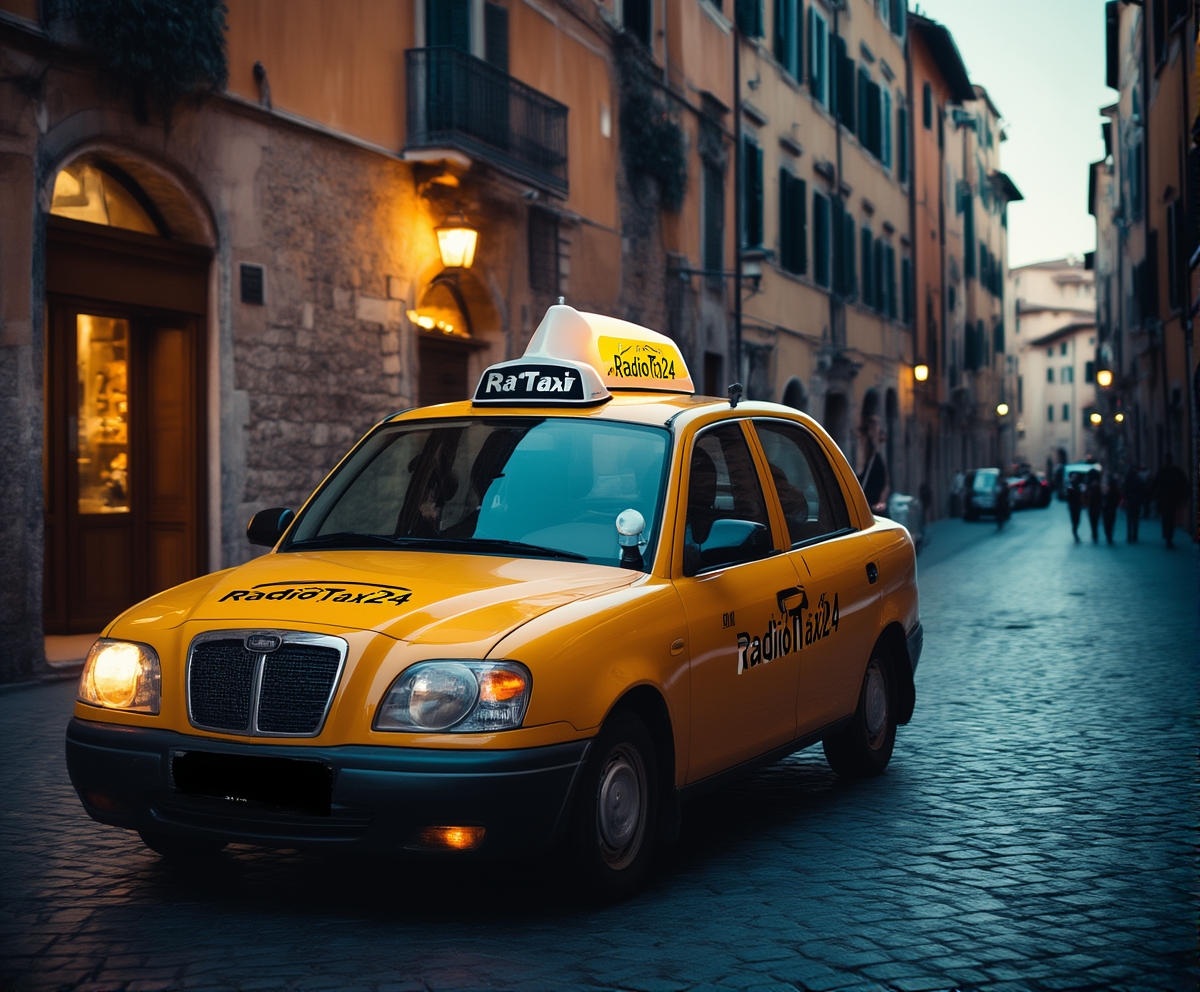
Pochi minuti dopo, un taxi nero con la scritta “Radio Taxi 24” sul tetto si fermò davanti a lei. Sofia salì rapidamente a bordo e diede all’autista l’indirizzo dell’incidente di Laura. L’autista, un uomo gentile e professionale di nome Marco, ascoltò attentamente le indicazioni e partì immediatamente. Durante il tragitto, Sofia continuò a parlare con Laura per rassicurarla e dirle che stava arrivando. Marco, sentendo la situazione, guidò con prudenza ma anche con una certa urgenza, riuscendo a districarsi nel traffico serale fiorentino.
Quando arrivarono sul luogo dell’incidente, Sofia vide che Laura era visibilmente scossa ma stava bene. La sua auto aveva solo qualche graffio, ma lei era troppo agitata per guidare. Marco aiutò le due ragazze a trasferire le valigie di Laura nel bagagliaio del taxi e le portò sane e salve all’aeroporto, arrivando proprio mentre Laura stava per perdere il suo volo. Con grande sollievo di entrambe, riuscirono a raggiungere il check-in appena in tempo.
Laura poté prendere il suo volo e ringraziò Sofia per il suo aiuto tempestivo. Sofia, a sua volta, ringraziò Marco e il servizio di Radio Taxi 24 per averle permesso di raggiungere l’amica in difficoltà. Il servizio efficiente e professionale aveva risolto il problema, permettendo a Laura di non perdere il suo volo e a Sofia di non sentirsi in colpa per non aver potuto aiutare l’amica in un momento di bisogno. Entrambe tornarono a casa, una rasserenata e l’altra sollevata, grazie all’intervento provvidenziale del taxi.