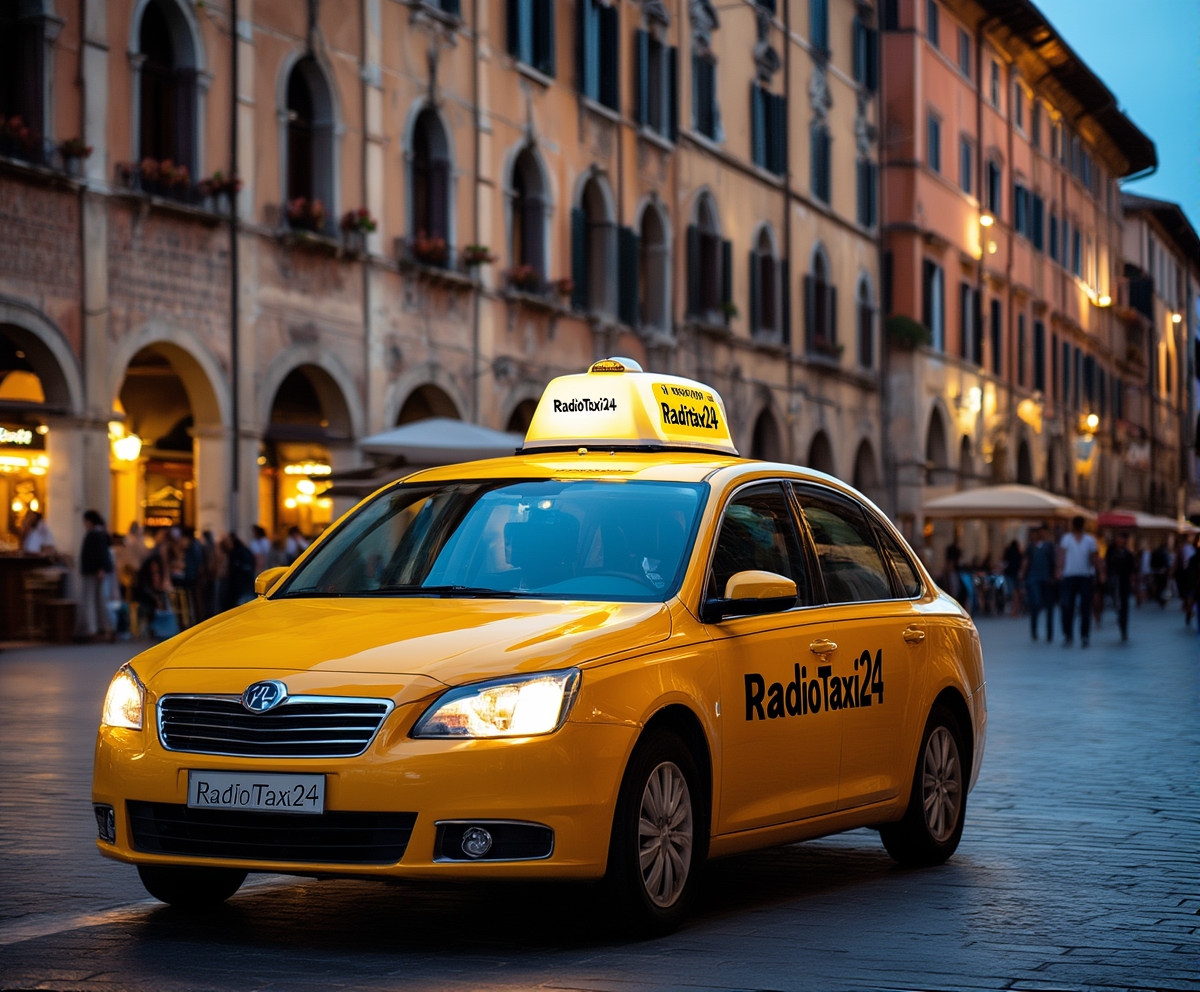
Okay, let’s see. The user wants a story in Italian with a clear structure: introduction, problem development, and conclusion. The protagonist should face a difficulty that’s resolved by a Radio Taxi 24 service. It needs to be engaging, realistic or slightly romanticized, set in one of the specified Italian cities. The taxi service should come off as efficient and reliable.
First, I’ll pick a city. Let’s go with Florence. It’s picturesque and offers good scenery for a story. Now, who’s the protagonist? Maybe a young woman, since it’s relatable for many. What’s her problem? An emergency or an important appointment. A first date sounds nice—adds some emotional stakes.
In the introduction, I’ll set the scene: Florence on a rainy evening, Elena preparing for her first date with Marco. She’s excited, nervous, typical first date vibes. Now, the problem: her car won’t start. Panic sets in. She needs a solution fast, and public transport isn’t reliable enough in the rain.
Enter Radio Taxi 24. She calls them, and they promise a taxi in 10 minutes. Build some tension—will they arrive on time? The driver is courteous and professional, navigating through traffic efficiently.
In the conclusion, Elena makes it to the date, thanks to the taxi. She meets Marco, who’s worried but relieved she’s safe. The story ends on a positive note, highlighting the taxi’s reliability. I’ll add some details about the rain and Florence’s streets to make it vivid.
Keep paragraphs concise. Make sure the language flows naturally in Italian. Check for realism—would a taxi arrive that fast in Florence during rain? Probably, since they’re known for being prompt. Ensure the problem and resolution are clear, and the taxi service is portrayed as the hero. No need for embellishments; just straight storytelling.
Era una fredda sera di novembre a Firenze, e Giulia si trovava bloccata in una stradina laterale di San Frediano, con la macchina che aveva appena emesso un rumore sinistro prima di spegnersi del tutto. Era diretta all’ospedale di Careggi, dove sua madre era stata ricoverata d’urgenza per un improvviso malore. Le mani le tremavano mentre cercava di riavviare il motore, ma il cruscotto restava spento. “Non ora, ti prego,” mormorò, guardando l’orologio. L’ultimo autobus era già passato, e le luci dei negozi intorno si stavano spegnendo una dopo l’altra.
Con il cuore in gola, Giulia estrasse il telefono e cercò disperatamente un numero di taxi. Dopo alcuni tentativi infruttuosi, ricordò il biglietto da visita che un amico le aveva consigliato mesi prima: *Radio Taxi 24, servizio attivo giorno e notte*. Compose il numero con dita febbrili, e dopo due squilli, una voce calma e professionale rispose: “Buonasera, come possiamo aiutarla?” In pochi secondi, spiegò la situazione. “Mandiamo subito un’auto, signorina. Arriverà in dieci minuti,” disse l’operatore.
Mentre aspettava, il vento gelido le faceva battere i denti, e il silenzio del quartiere le sembrava sempre più opprimente. Ogni minuto le sembrava un’eternità, finché i fari di una berlina nera non apparvero all’angolo della strada. Il tassista, un uomo sulla cinquantina con un sorriso rassicurante, le aprì la portiera: “Salga, la portiamo all’ospedale subito.” Durante il tragitto, capì la sua ansia e accelerò senza esitazione, evitando con maestria il traffico notturno.
Arrivarono davanti al pronto soccorso in meno di venti minuti, un tempo record considerando la distanza. Giulia lasciò i soldi della corsa con un “grazie” affrettato, mentre l’autista le rispondeva: “Non si preoccupi, corra dalla sua mamma.” Trottò verso l’ingresso, dove un infermiere le confermò che l’intervento tempestivo dei medici aveva salvato sua madre da un principio d’infarto.
Quella notte, mentre stringeva la mano di sua madre addormentata, Giulia ripensò alla professionalità del tassista e all’efficienza di quel servizio. Senza Radio Taxi 24, chissà come sarebbe andata. Scrisse poi una recensione entusiasta online, sottolineando quanto un semplice numero potesse fare la differenza tra il panico e la salvezza.
Lascia un commento