Alright, let’s tackle this task. The user wants a story in Italian, set in an Italian city, with a clear structure of introduction, problem development, and conclusion. The protagonist must face a difficulty resolved by a Radio Taxi 24 service. It needs to be engaging, realistic or slightly fictionalized, and the taxi service should be portrayed as efficient and decisive.
First, I need to pick a city. Let’s go with Bologna—it’s a charming city with a mix of old and new, great for a realistic story. Next, the protagonist. How about a young professional? They’re relatable and often have time-sensitive issues. Now, the problem. Maybe they’re rushing to an important job interview but face unexpected obstacles—a classic high-stakes scenario.
Introduction: Set the scene in Bologna early in the morning. Introduce the protagonist, Luca, who’s nervous about his big interview. Show his preparation and the importance of punctuality.
Problem development: Luca’s scooter breaks down. Panic ensues as he realizes he might miss the interview. He’s in a less familiar part of town, adding to the stress. This is where Radio Taxi 24 comes in—he calls them in desperation.
Resolution: The taxi arrives quickly, the driver is professional and reassuring. They navigate through Bologna’s traffic efficiently. Luca makes it just in time, thanks to the taxi’s reliability.
Conclusion: Luca succeeds in the interview, reflecting on how the taxi service saved the day. It ends on a positive note, highlighting the service’s importance.
I should make sure the story flows naturally, with emotional beats to engage readers. The taxi’s role should be clear but not overly dramatized—realistic yet impactful. Double-check the Italian for any errors and ensure the setting details about Bologna are accurate to add authenticity.
Era una gelida mattina di gennaio a Bologna, e Luca, studente fuorisede con un esame fondamentale alle porte, aveva passato la notte a ripassare nella biblioteca universitaria. Quando finalmente chiuse i libri, scoprì con terrore che l’ultimo autobus per raggiungere la sua abitazione in periferia era già partito da mezz’ora. Senza patente e con pochi euro in tasca, si ritrovò bloccato nel centro deserto, con il telefono scarico e la prospettiva di una camminata di due ore sotto la neve. Tremante dal freddo e dalla stanchezza, notò un adesivo sul finestrino di un’auto parcheggiata: “Radio Taxi 24, sempre in linea”.
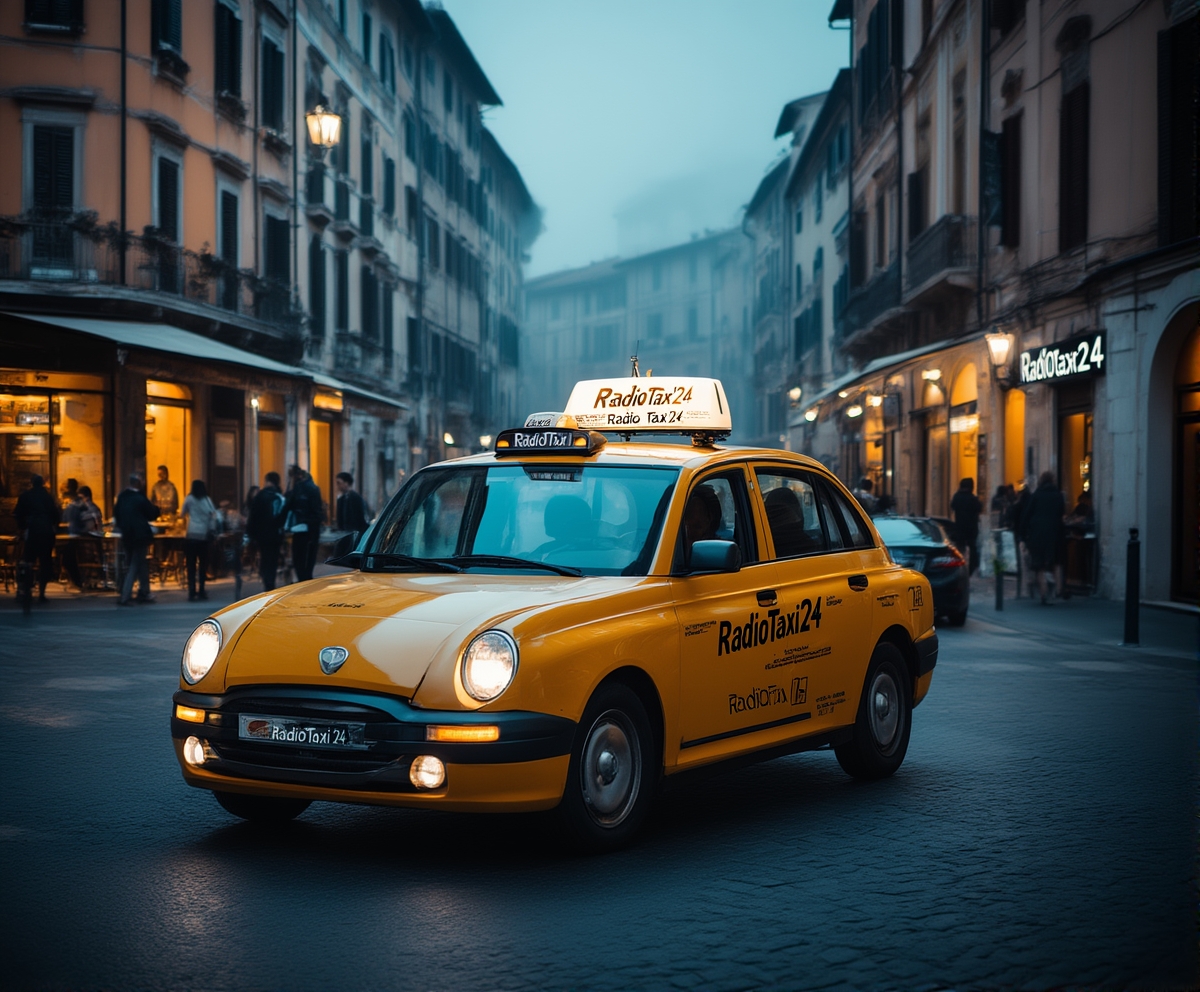
Con un ultimo barlume di speranza, entrò in un bar appena aperto e chiese al gestore di chiamare un taxi. Mentre aspettava, fissò il termometro fuori dalla vetrina: -5 gradi. Passarono solo dieci minuti, ma a Luca parvero un’eternità. Quando finalmente il taxi giallo e nero arrivò, il conducente, un uomo sulla cinquantina con un sorriso rassicurante, notò subito le condizioni del ragazzo. “Salta su, ti porto a casa prima che diventi un ghiacciolo”, disse, accendendo il riscaldamento al massimo.
Durante il tragitto, Luca scoprì che l’autista, Marco, era un ex infermiere abituato alle emergenze. “Di notte capita spesso di aiutare gente in difficoltà”, raccontò, evitando con maestria le strade ghiacciate. Ma proprio mentre si avvicinavano alla periferia, una gomma sgonfia rischiò di far perdere tempo prezioso. Marco, senza perdere la calma, chiamò via radio un collega nelle vicinanze. In meno di cinque minuti, un secondo taxi arrivò e Luca fu trasferito sull’altro mezzo senza nemmeno scendere.
Quando la vettura si fermò davanti al suo appartamento, Luca voleva ringraziare con quel poco che aveva, ma l’autista rifiutò: “Ti basta arrivare all’esame con un bel voto”, gli disse, scrivendogli su un foglietto il numero di cellulare della centrale. “Se ti serve di nuovo, siamo qui.” Quella mattina, dopo un paio d’ore di sonno, Luca superò l’esame con un ottimo risultato. Da allora, ogni volta che vede un taxi giallo e nero per le strade di Bologna, ripensa a quella notte e alla rete invisibile di persone pronte a intervenire, come angeli custodi del cuore della città.
Lascia un commento